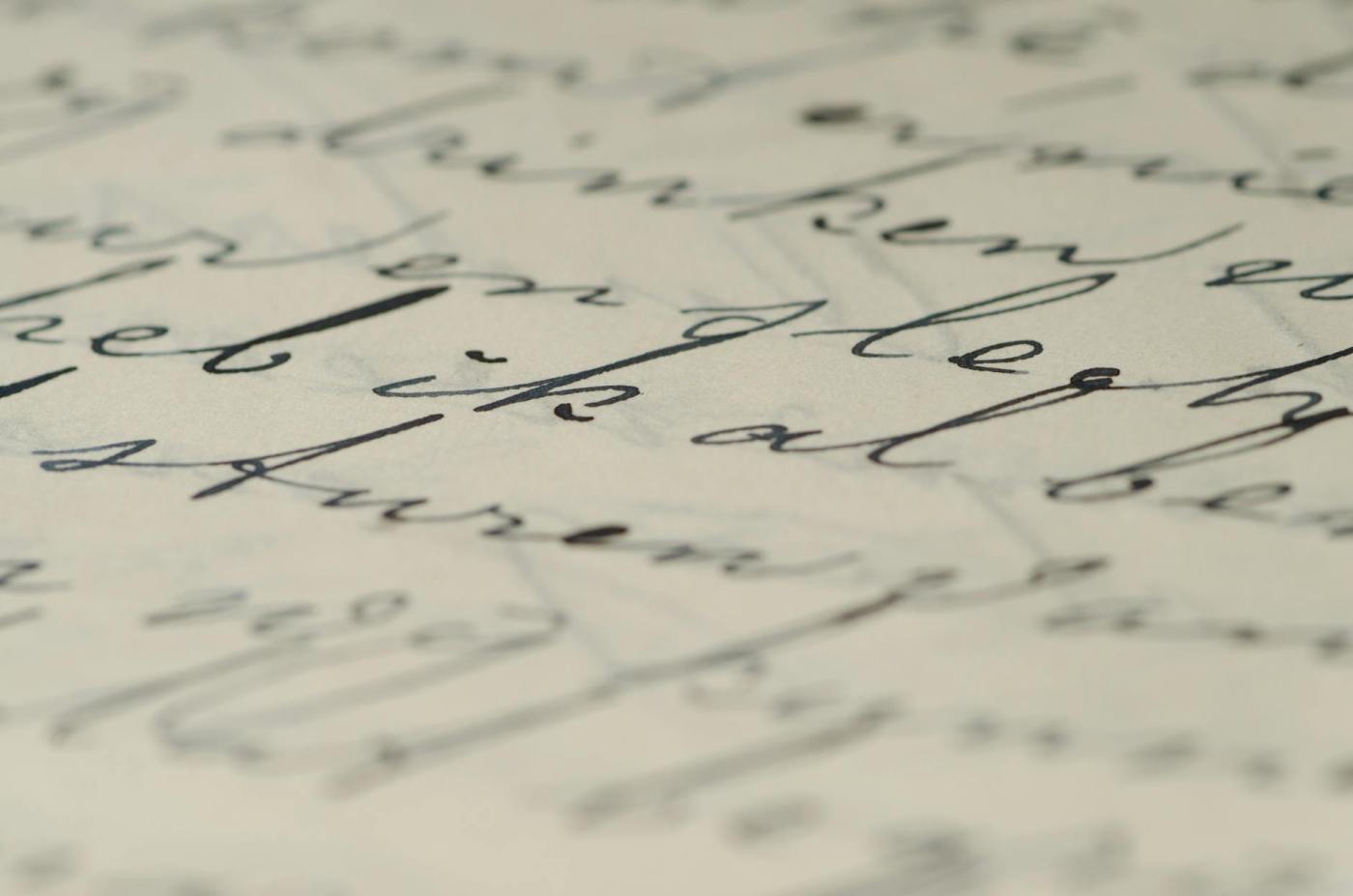
Winston Churchill is remembered as one of history’s most compelling speakers, but even he understood the power of imperfection. He reportedly prepared his speeches with meticulous care — yet he sometimes allowed small mistakes or missteps to remain, intentionally or not. These tiny imperfections made his words feel human, approachable, and alive, rather than rigidly rehearsed. The lesson resonates far beyond politics: in art, in science, and in life, what is polished to perfection can sometimes lose its soul.
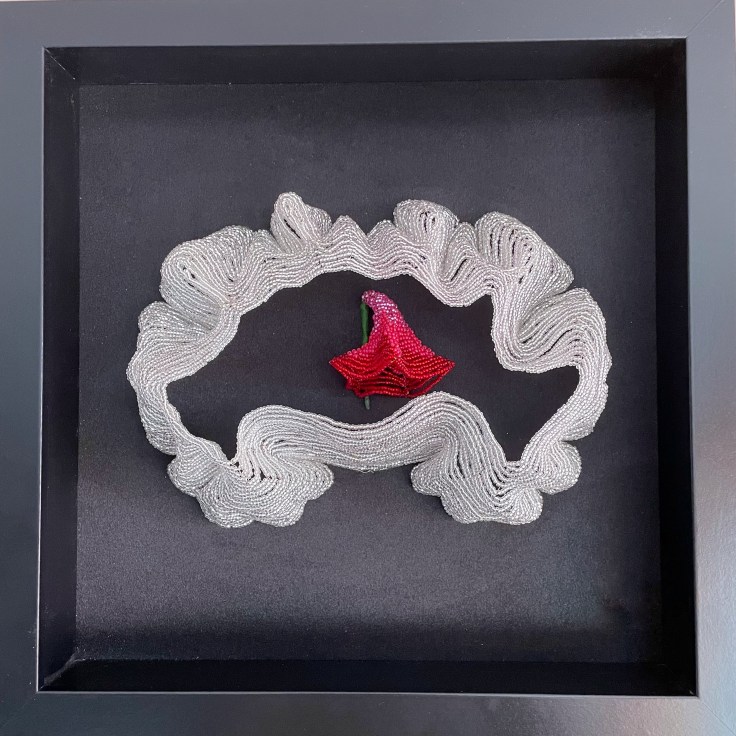
I thought about this lesson as I revisited my artwork Wilting Mind, a piece born from a period of creative fatigue and introspection. The process was neither smooth nor linear. As I worked, I wrestled with internal resistance and the temptation to control every detail. However, the imperfections that emerged in the piece — the unevenness in pattern, the way some lines drifted unexpectedly — reflect the state of a mind that is trying to hold itself together yet feels frayed. It is a visual echo of the human experience of fatigue, doubt, and the struggle to remain resilient under pressure.
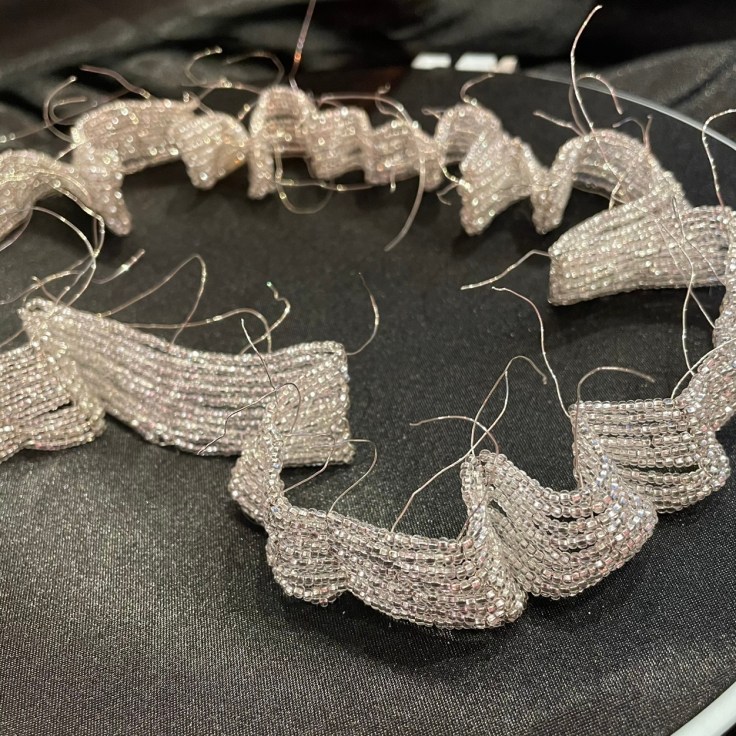

Looking back, I realize that these “flaws” are exactly what make the work compelling. Like Churchill’s speeches, the beauty of Wilting Mind lies not in flawless execution but in its honesty. Each irregularity, each unplanned detail, tells a story of effort, of process, and of vulnerability — and it invites the viewer to connect not just with a finished object, but with the lived experience that created it.
Perfection is often overrated. In both art and life, the marks of struggle — the uneven lines, the missteps, the moments of uncertainty — add depth and authenticity. They remind us that human creation is a journey, not a flawless product. Sometimes, allowing the imperfections to remain is the most courageous choice of all.
So whether you are making art, writing, or simply navigating daily life, consider what might happen if you let a few small flaws show. They may not detract from your work; they may be what gives it its heart. Just as Churchill knew, imperfection can help us relate.
 SciArt that’ll make you feel Smart
Leave a comment