The hippocampus is often described as the brain’s center for forming new memories, but its role is far more dynamic. Rather than simply storing experiences, the hippocampus helps encode new memories, retrieve recent ones, and integrate them with existing knowledge.
Remembering, in other words, is not like opening a static file. Each act of recall reactivates the neural traces of an experience, allowing the brain to revisit and reinterpret what happened.
Memory reconsolidation: why memories are not fixed
When I was in graduate school, a neighboring lab led by Christina Alberini studied what happens to a memory at the moment it is recalled.
For many years, scientists assumed that once memories were stored, they remained relatively stable. But research from Alberini’s group and others revealed something more fluid: each time a memory is reactivated, it briefly becomes unstable before being stored again in a process known as memory reconsolidation.
This flexibility allows the brain to incorporate new information and refine our understanding of past experiences. Yet it also introduces a quiet vulnerability: the very act of remembering carries the possibility of subtly reshaping the memory itself.
From Brainbow microscopy to beaded artwork
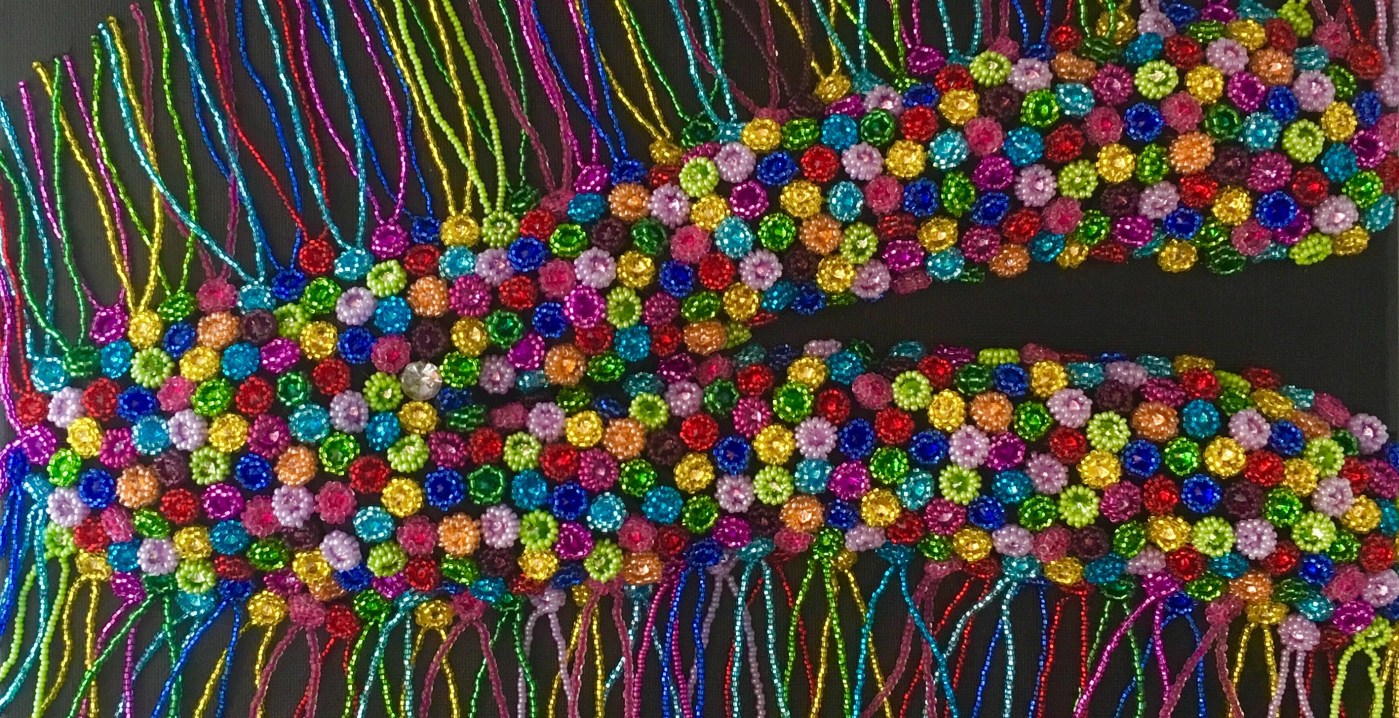
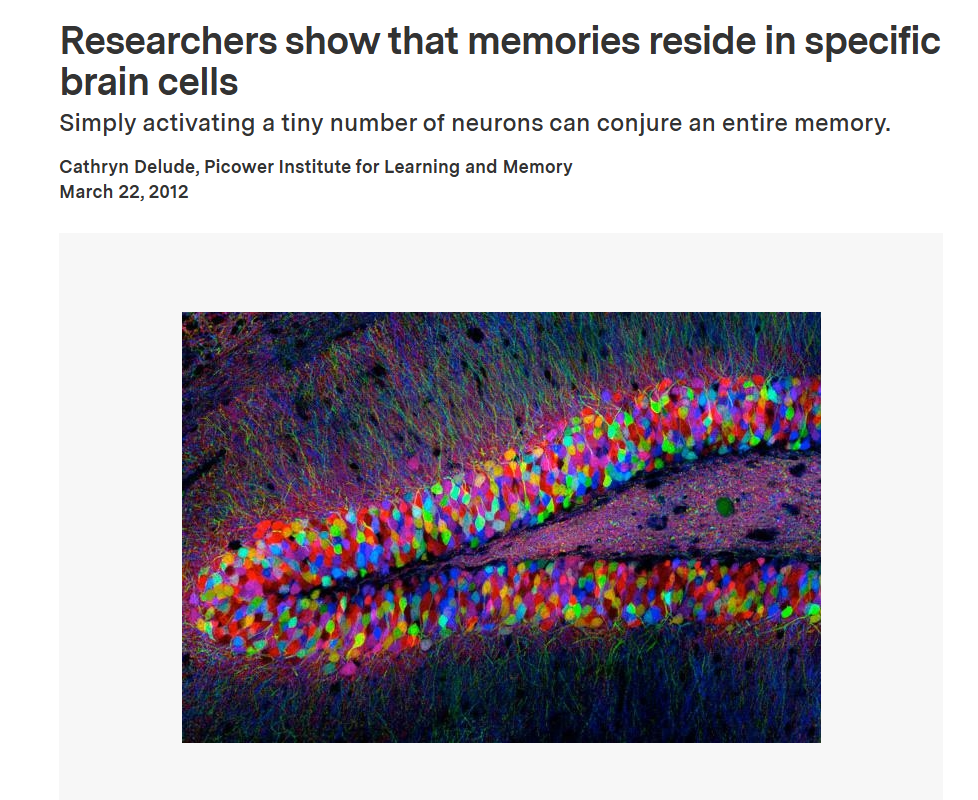
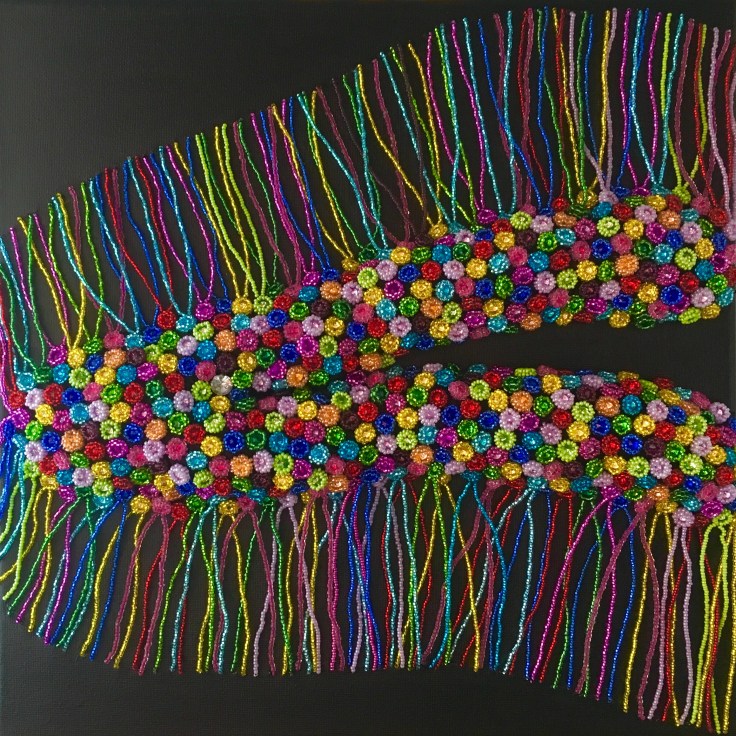
“Fragile Memory” is based on an image of the hippocampus, but it is not a typical section of immunostained tissue.
Instead of the three or four fluorescent colors commonly used in microscopy, the image bursts with more than a dozen hues. This joyful confetti of color comes from a Brainbow mouse — an animal genetically engineered so that individual neurons express different fluorescent proteins.
By labeling neighboring neurons in distinct shades, this technique allows scientists to trace neural connections more clearly and better understand how different regions of the brain communicate.
The hidden symbol of hope
Beyond its origin in an extraordinary microscopy image of mouse tissue, “Fragile Memory” is also part of my Hope series, a group of artworks that each contain a single hidden white jewel.
Can you find it?
It is the only cell body in the piece that is not depicted in bright color. This white cell represents a cherished moment we want to revisit and relive — while hoping it remains intact and faithful to the experience that created it.
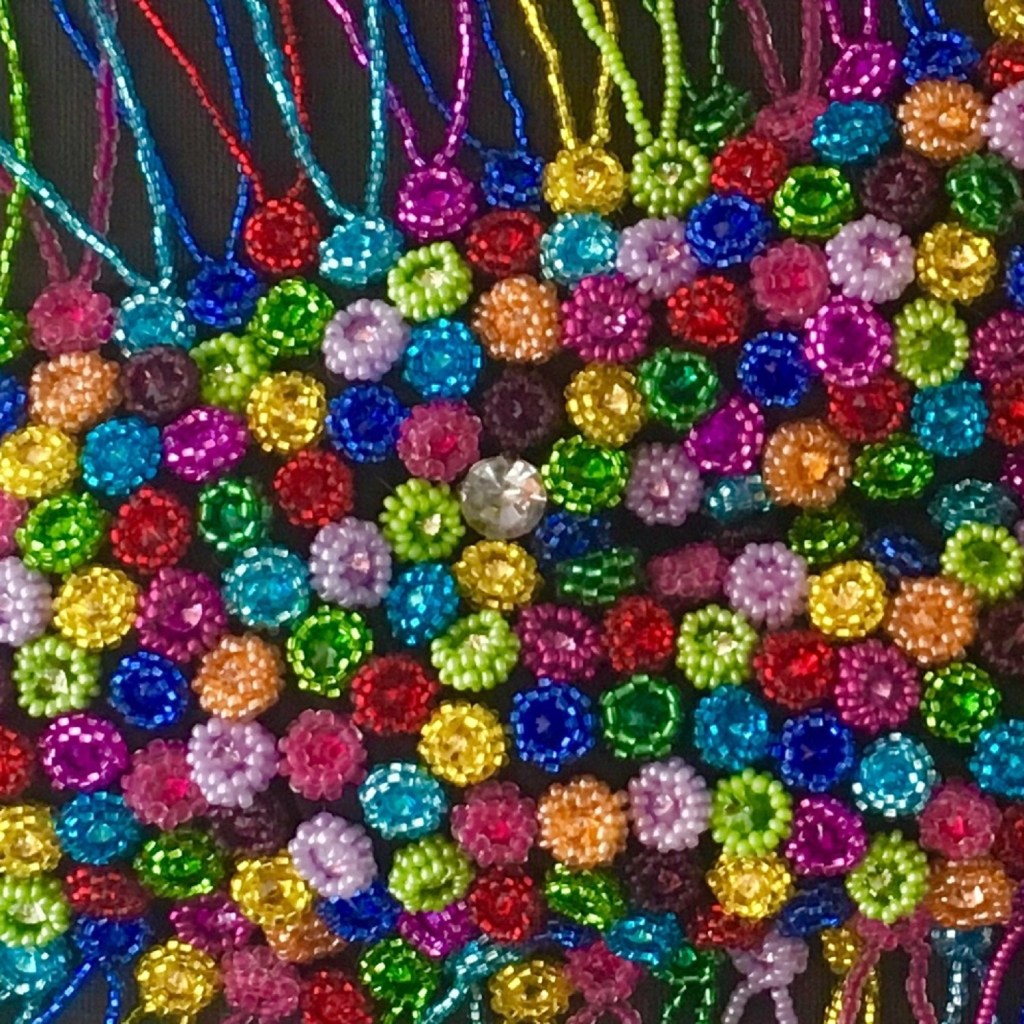
Translating neuroscience into bead embroidery
Creating this artwork required months of bead embroidery. Thousands of tiny glass beads were stitched around shimmering jewels to recreate the intricate textures of neural tissue while transforming a scientific image into something tactile and luminous.
Through beadwork, microscopic structures normally visible only through a laboratory microscope become something viewers can explore slowly with their eyes — and even imagine touching.
Just like scientific breakthroughs, finished beadwork often hides the many decisions and technical steps behind the final outcome. I explore this hidden process further in my post about what you don’t see in finished bead embroidery.
From laboratory image to scientific journal cover
In an unexpected full-circle moment, this artwork was later featured on the cover of the scientific journal Biological Psychiatry.
What began as a microscopy image used to study neural connections became a piece of textile art that returned to the scientific world in a new form.
For me, this moment captured the essence of my NeuroBead practice: revealing the hidden beauty of neuroscience while transforming scientific discovery into tactile works of art.
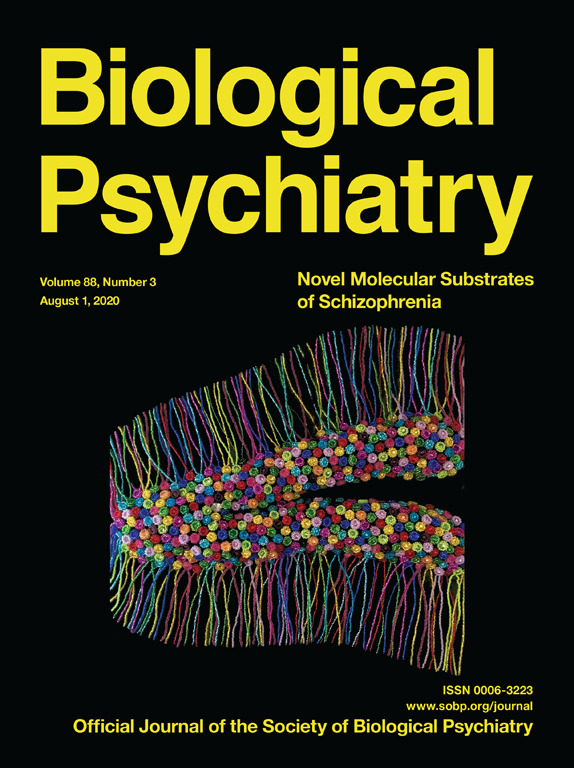
“Fragile Memory” is part of the Hope series, a collection of neuroscience-inspired bead embroideries exploring how memories, emotions, and experiences shape the human brain.
 SciArt that’ll make you feel Smart
Leave a comment